
Local Guide
How Hard Is Sierra Vista's Water? What Cochise County Homeowners Should Know
The Upper San Pedro Aquifer runs through limestone, and that shows up at your tap. Here is what hardness means for your home.
Plumbing built for Sierra Vista's high desert. Serving Sierra Vista and Cochise County: slab leaks, hard-water softeners, water heaters, repiping, and round-the-clock emergency service.
Hard caliche layers and clay heave shift foundations and stress slab plumbing, a leading cause of local slab leaks.
Water from the Upper San Pedro Aquifer runs hard, scaling pipes, fixtures, and water heaters across the city.
At 4,600 feet, mild winters still bring occasional hard freezes that catch exposed pipes off guard.
From a midnight burst pipe to a planned repipe of a 1960s tract home, we handle the plumbing problems Sierra Vista homes actually run into.
Burst pipes, sewer backups, and no-hot-water calls answered any hour across Sierra Vista and Cochise County.
Learn more →Electronic detection and targeted repair for slab leaks driven by caliche soil and aging supply lines.
Learn more →Whole-home softeners sized for the hard water that comes out of the Upper San Pedro Aquifer.
Learn more →Tank and tankless repair, replacement, and sediment-flush service for hard-water homes.
Learn more →Clogged kitchen, bath, and main lines cleared, with camera inspection when a clog keeps coming back.
Learn more →Galvanized-to-PEX and copper repipes for the city's 1960s and 1970s military-era housing stock.
Learn more →A live response any hour, every day of the year, for emergencies that cannot wait.
Licensed in Arizona, ROC license on file, with work done to Cochise County code.
We size softeners and flush water heaters for the mineral-rich water local wells deliver.
From Fort Huachuca off-base homes to Bisbee's historic blocks, we know the housing here.
Every neighborhood in the city, plus the communities spread along the San Pedro River valley and up toward the Huachuca Mountains.
Straight answers on the plumbing questions Cochise County homeowners ask most.
The Upper San Pedro Aquifer runs through limestone, and that shows up at your tap. Here is what hardness means for your home.
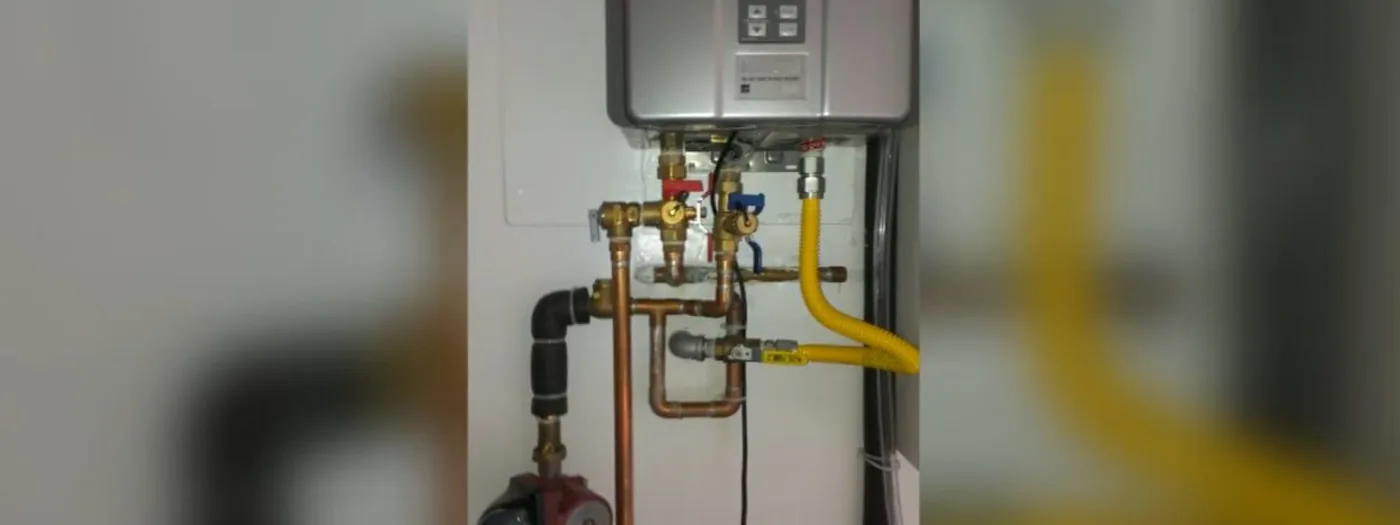
Scale on the faucets, spotty glassware, and shorter appliance life are all signals worth paying attention to.
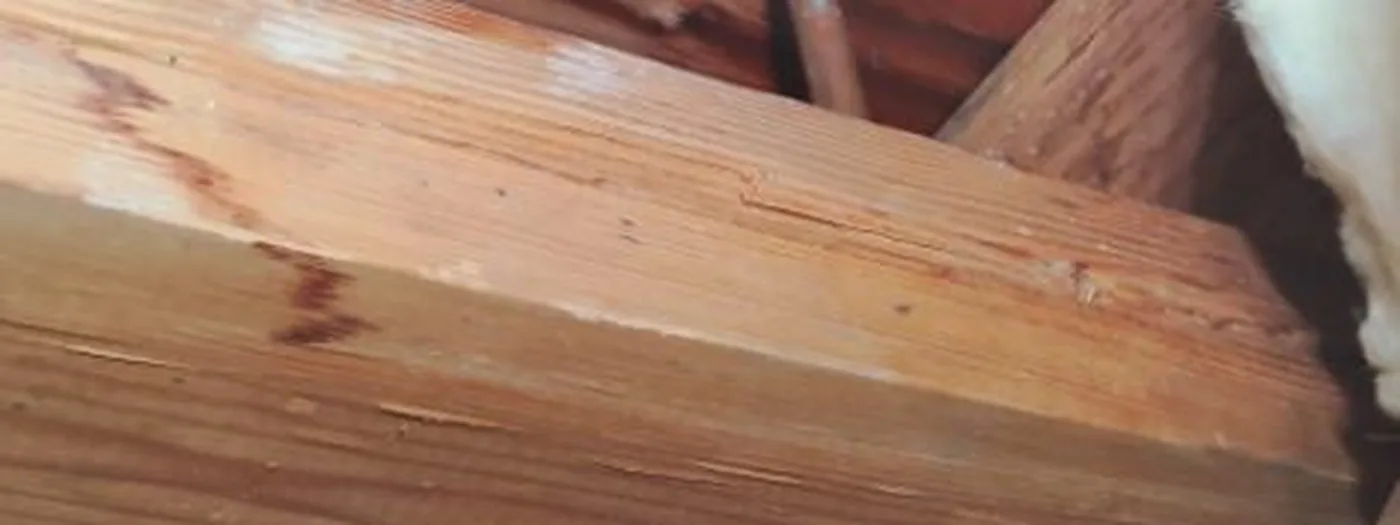
Caliche layers and clay heave put extra stress on slab-on-grade plumbing. Here is why local homes see more slab leaks.
Yes. Plumbing emergencies in Sierra Vista do not keep business hours, so a burst pipe at midnight or a sewer backup on a holiday weekend gets a live answer. Call the number at the top of the page any time and we will route a licensed plumber to your address.
Local water is groundwater pumped from the Upper San Pedro Aquifer, which sits in limestone bedrock. As that water moves through the rock it picks up calcium and magnesium, so most homes here see hard water that leaves scale on fixtures and inside water heaters. A whole-home softener is the standard fix.
More than people expect. Most homes here are slab-on-grade, and the caliche and clay soils under them shift as moisture changes. That movement, combined with older supply lines, makes slab leaks a recurring call across neighborhoods like Mountain View and Pueblo Del Sol.
Sierra Vista sits above 4,600 feet, and while winters are mild, hard freezes do happen a few nights each year. Exposed hose bibs, garage lines, and pipes in unheated spaces are the usual casualties. A little freeze protection before a cold snap prevents most burst-pipe calls.
Yes. Many homes in Hereford, Palominas, and Naco run on septic rather than city sewer. We handle septic tank pumping and maintenance, and we flag septic-specific considerations on service calls in those areas so nothing gets missed.
We serve Fort Huachuca personnel at their off-base homes throughout Sierra Vista and the surrounding communities. A PCS move is a good time for a plumbing check, and we can walk a new homeowner through what to look for in an older Cochise County house.
Sierra Vista is not Phoenix, and it is not Prescott. Sitting above 4,600 feet on a high-desert grassland at the base of the Huachuca Mountains, the city has its own mix of soil, water, and housing. That mix shapes what goes wrong with local plumbing and how to fix it. A plumber who understands Tucson's low-desert subdivisions is not automatically ready for a 1965 cinder-block home on caliche in the Carmichael neighborhood. Nor are they ready for a septic system serving a rural property down in Hereford.
Most homes in and around the city draw water from the Upper San Pedro Aquifer, a federally protected sole-source aquifer. It supplies Sierra Vista through providers like Arizona Water Company, Liberty Utilities (formerly Bella Vista Water), and Pueblo Del Sol Water Company in the master-planned community of that name. Because the groundwater moves through limestone, it arrives hard. Pueblo Del Sol Water Company, for example, publishes a hardness of about 8 grains per gallon, and other parts of the service area run higher still.
That mineral load is why so many local calls involve scale. Think crusty buildup on faucets and showerheads, cloudy glassware, water heaters that rumble and wear out early, and reduced flow as deposits narrow older pipes. A correctly sized water softener is the single change that protects the most fixtures and appliances at once. That is why we promote it ahead of services that matter more in wetter or pool-heavy markets.
Underneath much of the city sits caliche, a dense calcium-carbonate hardpan that can run two to four feet deep, mixed with expansive clay in places. When that soil takes on moisture during monsoon season and then dries out, it shifts. Homes here are overwhelmingly slab-on-grade, so that movement transfers straight to the water lines cast into or running beneath the concrete.
Add the corrosion that older galvanized supply lines develop from the inside out, and you get slab leaks. They show up as a warm spot on the floor, an unexplained jump in the water bill, or the sound of water running when every fixture is off. Catching one early, with electronic leak detection rather than guesswork, is the difference between a targeted repair and a torn-up slab.
When Fort Huachuca expanded after World War II and through the Cold War, Sierra Vista grew fast to house the families connected to it. The result is a large inventory of 1960s and 1970s tract homes, many with original galvanized piping that is now well past its service life. Newer master-planned areas such as Pueblo Del Sol and Castle Crest brought 1980s-and-later construction with different materials and their own quirks. Knowing which era a home belongs to tells an experienced plumber a lot before the first fixture comes apart. It hints at the likely pipe material and whether a repipe to PEX or copper beats another round of spot repairs.
Roughly a third of the area is military-connected, between active-duty soldiers, retirees, and dependents, and the rhythm of PCS moves runs through the local calendar. A change of station is one of the best times to look hard at a home's plumbing, whether someone is buying an older house off base or handing one back. We serve Fort Huachuca personnel at their off-base homes throughout the city and the surrounding communities. We bring the same straight talk to longtime residents, snowbirds wintering in Pueblo Del Sol, and families settling into the newer subdivisions out west.
Call now for fast, licensed help across Sierra Vista and Cochise County, any hour of the day or night.
(520) 340-7175