
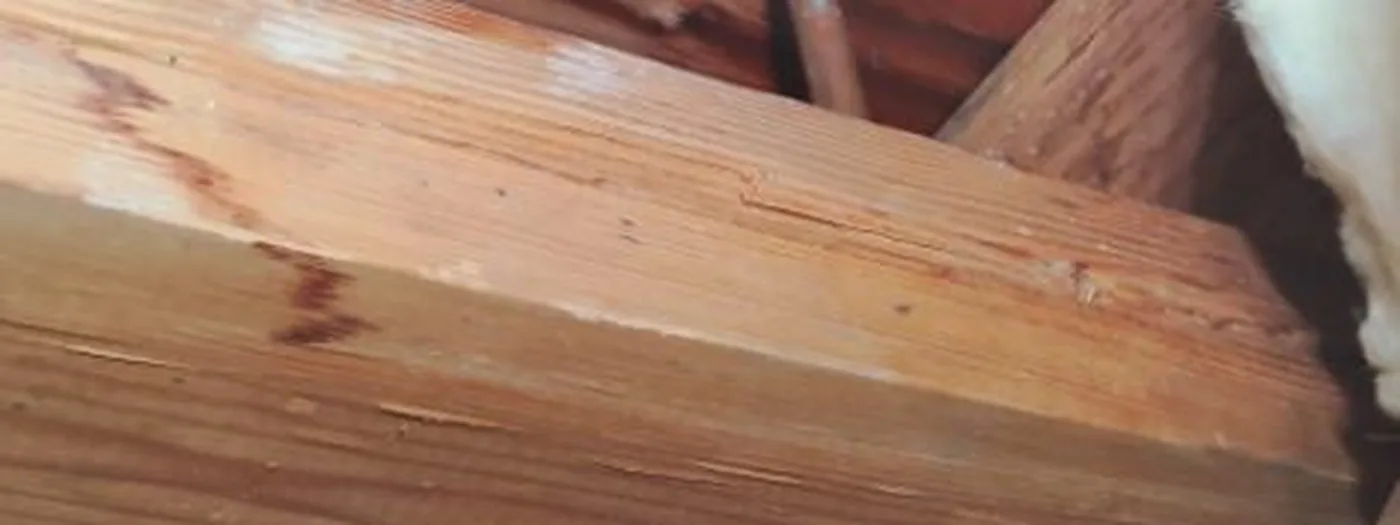
Getting to the leak means breaking concrete only where it is actually needed.
Leak DetectionSlab Leaks in High-Desert Caliche Soil: Why Sierra Vista Homes Are at Risk
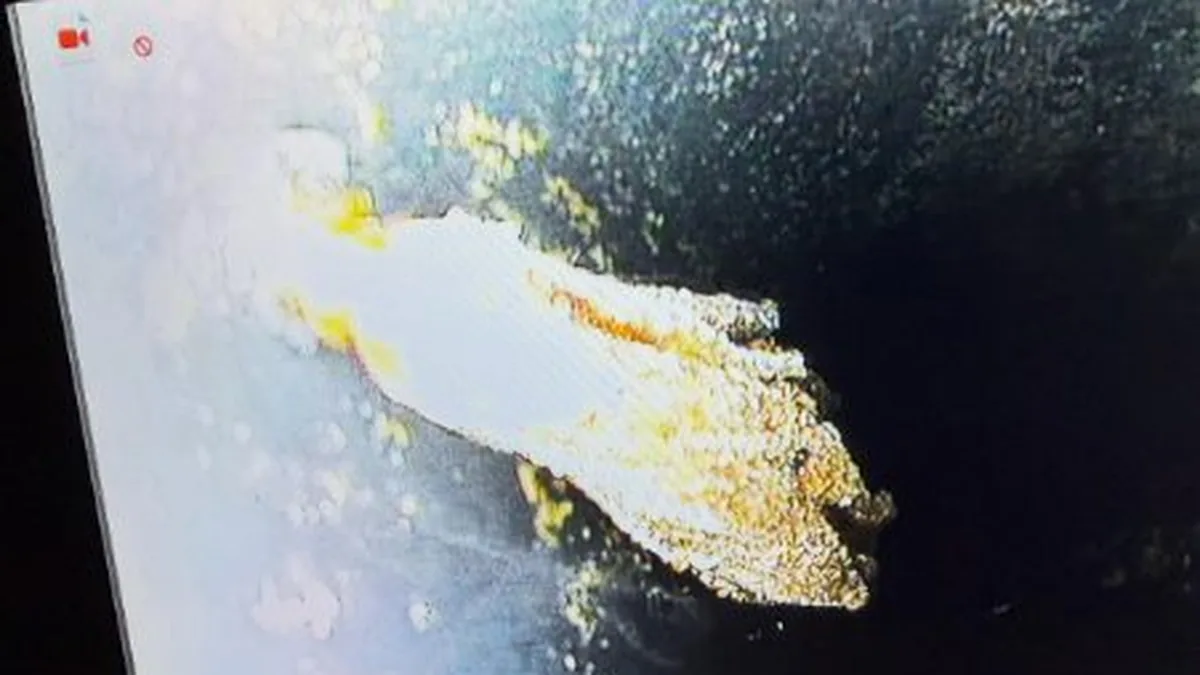
A slab leak is a leak in one of the water lines running through or beneath the concrete foundation your house sits on. It is one of the more stressful plumbing problems a homeowner can face, partly because the water hides, and partly because the fix sounds frightening. The good news is that caught early, most slab leaks are a contained repair. The trick is knowing why they happen here and what the early signs look like.
Sierra Vista sees more slab leaks than its size would suggest. Three local factors stack up to explain it.
Factor One: Almost Everything Is Slab-on-Grade
Walk through the city's housing and you will find that the overwhelming majority of homes are built slab-on-grade. The house sits directly on a concrete pad, with the water lines cast into or run beneath it. There are no basements to speak of and few raised foundations. That construction is normal for the region and perfectly sound, but it means the water supply lines are embedded in concrete rather than hanging accessibly under a floor. When one of those lines leaks, the water has nowhere obvious to go, and reaching the pipe means going through the slab.
Factor Two: The Ground Moves
Here is the part specific to this corner of Arizona. Underneath much of the city sits caliche, a dense layer of soil cemented together by calcium carbonate into something close to natural concrete. It can run several feet deep, and it is mixed in places with clay that swells when wet and shrinks when dry.
During the summer monsoon, heavy rain soaks that soil and it expands. Through the dry months it contracts again. Year after year, the ground beneath the slab flexes with the seasons, and the concrete and everything cast into it flex with it. Water lines under that repeated stress can develop a leak at a weak point or a fitting. It is a slow process, but over the decades a home has been standing, it adds up.
Factor Three: The Pipes Are Getting Old
Many Sierra Vista homes date to the building boom of the 1960s and 1970s, when the city grew quickly alongside Fort Huachuca. A lot of those homes still carry their original supply lines. Older copper and especially galvanized steel corrode over time, and a line that has been thinning from the inside for half a century needs far less stress to fail. Combine aging pipe with shifting soil under a slab, and you have the recipe for a slab leak. Neighborhoods with heavy concentrations of that era, like Carmichael and Mountain View, see these calls more than most.
How to Spot a Slab Leak Early
Because the water is hidden, slab leaks announce themselves indirectly. Learn the signs and you can catch one while it is still cheap to fix.
A Warm Spot on the Floor
If the leak is on the hot-water line, the escaping water can warm a patch of floor above it. An unexplained warm area on tile, especially one you can feel through bare feet, is a classic tell.
The Sound of Running Water
Turn everything off. No faucets, no appliances, no ice maker. Then listen. If you hear water moving, the sound of a faint hiss or trickle inside the floor or a wall, water is escaping somewhere it should not be.
A Climbing Water Bill
A slab leak runs around the clock, so it shows up on the bill. A sudden, unexplained jump with no change in your habits is one of the most reliable indicators. The same goes for a water meter that keeps creeping when every fixture in the house is off.
Other Clues
Low water pressure, cracks appearing near baseboards or in the slab, or a persistently damp spot can all point to a slab leak. None is conclusive on its own, but any of them is worth investigating.
Finding It Without Tearing Up the House
The fear most people have is that finding a slab leak means jackhammering the floor at random. It does not. We use electronic leak detection, acoustic equipment that listens for water escaping under the concrete, pressure testing to confirm which line is involved, and moisture mapping to narrow the area. Only once the leak is pinpointed do we talk about access, and the goal is always the smallest opening the repair allows. Often a reroute avoids opening the slab at all. You can read more about how we locate hidden leaks in our overview of leak detection.
Repair Options
There is rarely one right answer, and the best path depends on the pipe and the home. A clean, isolated leak on an otherwise sound line may need only a spot repair: open a small section, fix the run, close it back up. When opening the slab is impractical or a line has a history of trouble, rerouting the affected run through the walls or attic ends the cycle without repeated concrete work. And for an older home where the original lines are failing in more than one place, a full repipe is sometimes the smarter long-term move.
Why Acting Early Pays
A slab leak found in its first weeks is a targeted repair. The same leak ignored for months becomes ruined flooring, soaked subfloor, mold, and in the worst cases foundation damage, on top of all the water you paid for and never used. The cheapest day to deal with a slab leak is always the day you first suspect it.
Can You Prevent a Slab Leak?
You cannot change the soil under your house or stop the seasons from shifting it, so there is no way to make an older slab home immune. But a couple of things help. Keeping your water pressure in a healthy range matters, because pressure running too high stresses every joint and fitting in the house, including the ones under the slab. If you have never checked, it is worth doing, and a pressure regulator solves it if the number is high.
The other defense is simply paying attention. The homeowners who come out of a slab leak best are the ones who caught it early, who noticed the warm spot or the strange bill and called instead of waiting. A slab leak does not improve on its own, and the longer it runs, the more it costs in both water and damage. Treat any of the warning signs as a reason to investigate, not something to keep an eye on for a few more months.
If something in your home, a warm floor, a strange bill, the sound of water that should not be there, has you wondering, do not sit on it. Call us and we will locate the problem precisely and tell you exactly what it takes to fix it, before any concrete is touched.
Questions about your own home? We are a local, licensed plumber serving all of Cochise County, available any hour.
Call (520) 340-7175