
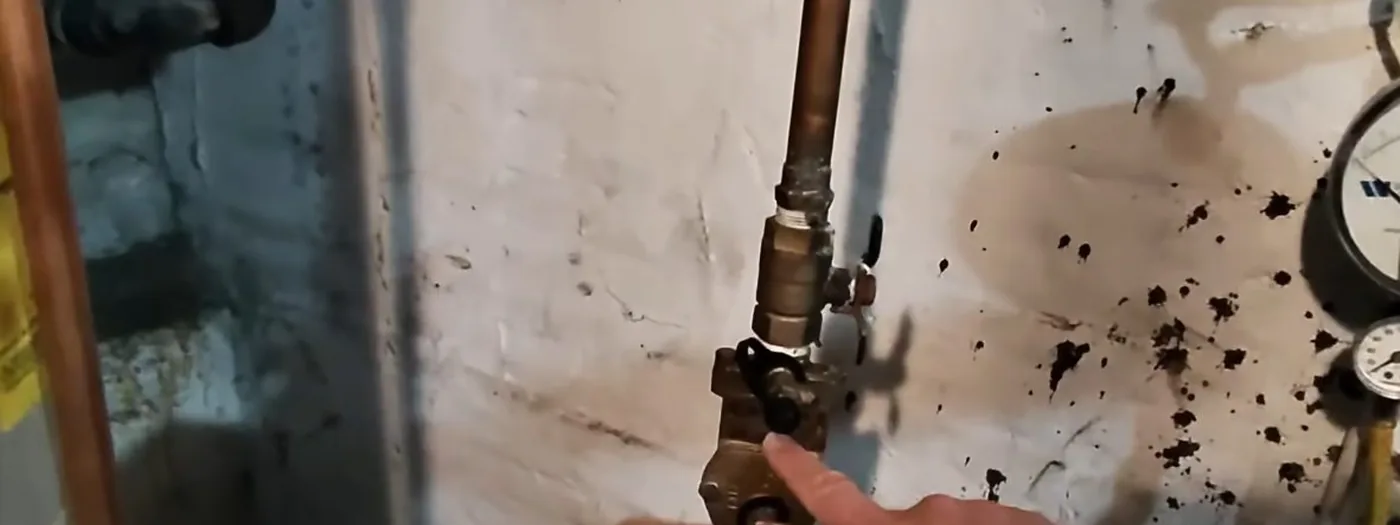
Treatment equipment like this ties into the main line before water reaches the house.
Water QualityWhole-House Filtration vs. Water Softener: What Sierra Vista Homes Need
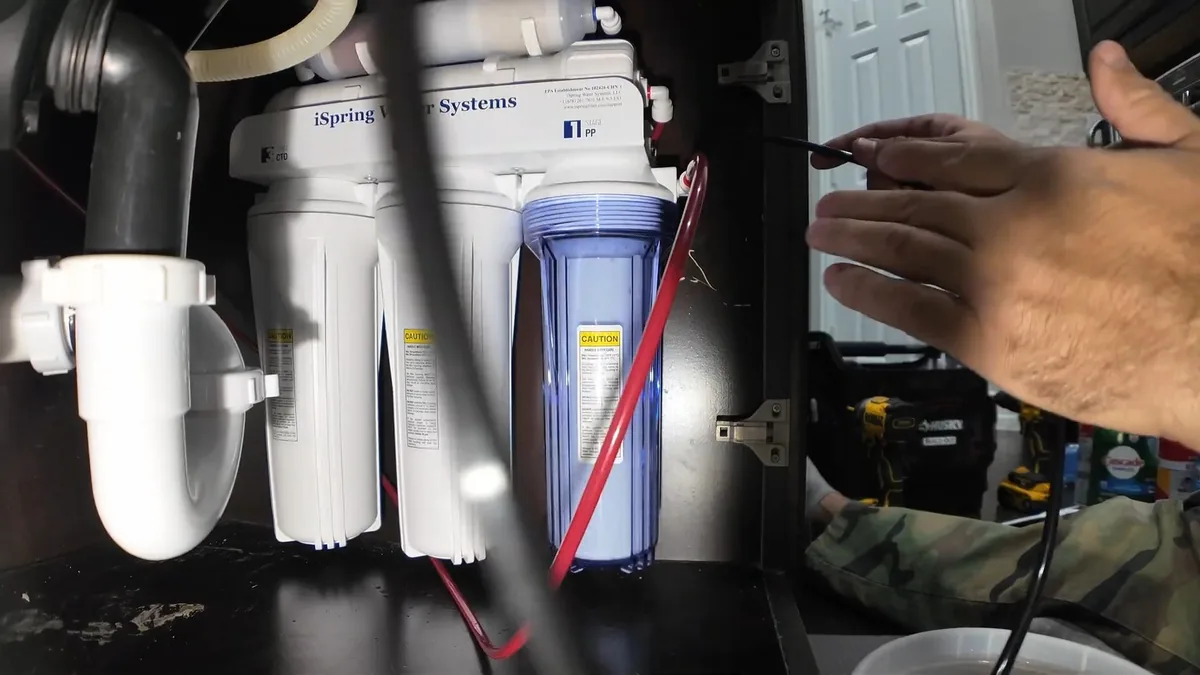
Shopping for better water in Sierra Vista, you will run into two terms constantly: water softeners and water filters. People often use them interchangeably, but they do genuinely different jobs, and buying the wrong one for your problem is a common, avoidable mistake. Here is what each actually does, and how to figure out which your home needs, or whether the answer is both.
They Solve Different Problems
A water softener has one job: removing the calcium and magnesium that make water hard. It uses ion exchange to swap those minerals for a small amount of sodium, which stops the scale that crusts your fixtures, clouds your dishes, and shortens the life of your water heater. A softener does not change taste, remove sediment, or filter out other contaminants. It softens, and that is all.
A water filter, by contrast, removes or reduces other things in the water: sediment and fine particles, chlorine taste and odor, and depending on the media, certain other contaminants. A filter improves how water tastes, smells, and looks. It does not soften, so it leaves the hardness, and the scale, untouched.
What Sierra Vista's Water Calls For
Local water comes from the Upper San Pedro Aquifer, and its defining quality is hardness. The groundwater moves through limestone and arrives carrying calcium and magnesium, so for most homes, hardness is the first problem to solve. That makes a softener the foundation of water treatment here, the piece that protects your plumbing and appliances from the scale that otherwise builds in every pipe and tank.
But softening does not address taste or any sediment or odor your particular supply carries. That is where filtration comes in, and why so many local homes end up using both.
Why Many Homes Use Both
The two systems complement each other rather than compete. A common, effective setup pairs a whole-house softener with targeted filtration. The softener handles hardness for the entire home. A filter, or a reverse osmosis system at the kitchen sink, then handles taste and drinking-water quality where it matters most.
There is also a practical reason the order matters. Softened water feeding a reverse osmosis system keeps scale off the RO membrane, so it lasts longer and works better. Feeding an RO unit hard water shortens its life. Planned together, the softener protects the filter, and the filter polishes what the softener cannot touch. We can map the whole setup for your home and install it in the right sequence.
Whole-House or Point-of-Use?
Filtration comes in two scales, and they serve different goals. A whole-house filter treats every tap, shower, and appliance, which is the way to handle sediment or chlorine throughout the home. A point-of-use system, usually under the kitchen sink, focuses on the water you drink and cook with, where reverse osmosis can polish it to a very high standard.
Plenty of homes use both: whole-house filtration for general quality, plus a dedicated drinking-water system at the sink. Which combination makes sense depends on your water and what bothers you about it, which is the real starting point for any of this.
Start by Knowing Your Water
The right system depends entirely on what is actually in your water. For homes on a utility, the hardness is consistent and well documented, while taste and other factors vary. For homes on a private well, everything varies property to property, so testing is the only way to know. We test before recommending, so the system matches your supply rather than treating for problems you may not have. That is true whether you are in a newer neighborhood like Castle Crest or the master-planned community of Pueblo Del Sol with its own water provider.
Making the Choice
If you remember one thing, make it this: a softener fixes hardness, and a filter fixes most everything else. Start with the softener, because hardness is the universal issue here and the one that quietly costs you the most in scaled pipes and short-lived appliances. Add filtration where taste, odor, or drinking-water quality call for it. For many homes the ideal is a softener plus a sink-level RO system, covering both the plumbing and the glass you drink from.
Common Misunderstandings
A few myths come up often enough to clear up. The first is that a filter will fix hard water. It will not. Filtration improves taste and removes particles, but it leaves the hardness minerals that cause scale, so your fixtures and water heater keep paying the price. If scale is your problem, a softener is the answer, not a filter.
The second myth runs the other way: that a softener makes water clean enough to skip filtration entirely. A softener removes hardness, but it does nothing for taste, odor, or sediment, and it adds a small amount of sodium in the exchange. If your water tastes flat or you want the best possible drinking water, you still want filtration. Knowing which problem you actually have keeps you from buying the wrong box.
What Each System Asks of You
Maintenance differs between the two, and it is worth knowing before you buy. A softener mainly needs salt added to its brine tank every few weeks, depending on use, and it otherwise runs itself. A filter needs its media or cartridges changed on a schedule, since a filter left too long becomes a restriction in the line rather than a help.
A reverse osmosis system falls in between, with periodic pre- and post-filter changes and a membrane that lasts years, especially on softened water. None of this is demanding, but each system does need a little ongoing care to keep delivering. We set up a sensible schedule and can handle the servicing, so the water quality you paid for does not quietly fade.
A Simple Way to Decide
If the choice still feels abstract, reduce it to symptoms. Scale on your fixtures, cloudy dishes, and a short-lived water heater point to hardness, which means a softener. Bad taste, an odor, or visible sediment point to a filtration problem. Wanting the cleanest possible drinking water points to reverse osmosis at the sink. Most homes here have the first set of symptoms for certain, and some have the others on top.
That is why the common recommendation is a softener as the foundation, with filtration added where the other symptoms call for it. You are not choosing between two rivals so much as deciding which pieces your particular water needs. Start with the universal problem, hardness, and build from there based on what your water actually does.
Not sure which your home needs? That is exactly the question we are glad to answer. Call us, and we will assess your water and your goals and recommend the setup that actually fits, no more and no less than you need.
Questions about your own home? We are a local, licensed plumber serving all of Cochise County, available any hour.
Call (520) 340-7175