
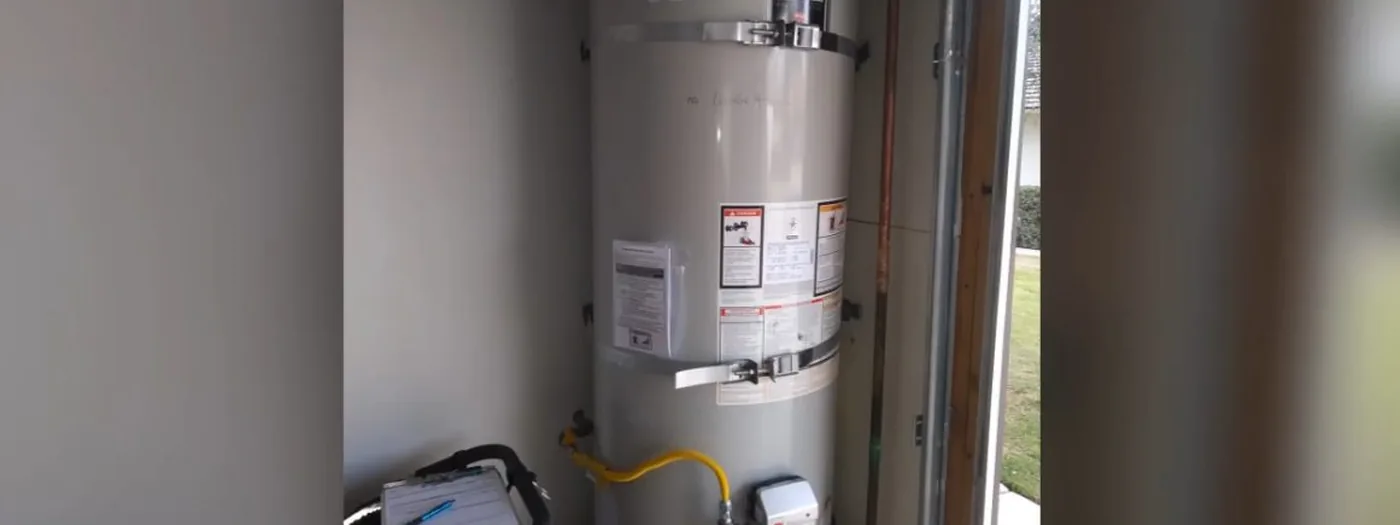
A tankless unit trades a bulky tank for a compact wall-mounted footprint.
Water HeatersTankless Water Heaters at 4,600 Feet: Does Altitude Matter in Sierra Vista?
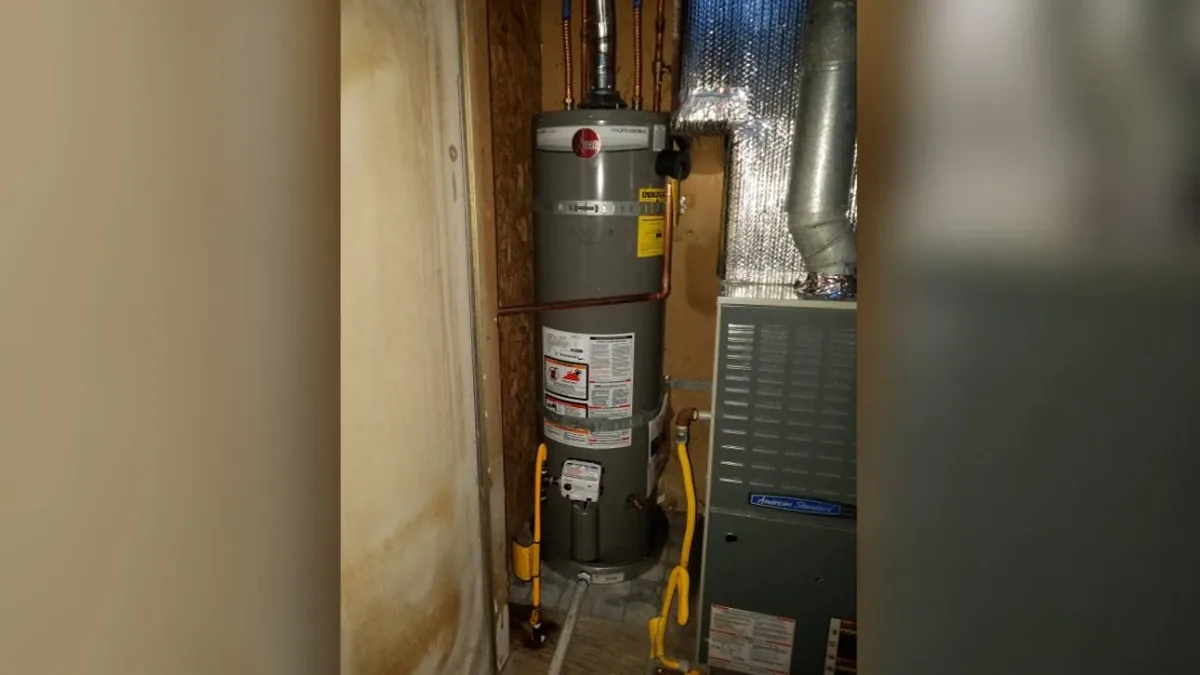
Homeowners weighing a tankless water heater in Sierra Vista sometimes ask a sharp question: does sitting above 4,600 feet change how one of these units performs? It is a reasonable thing to wonder. Altitude affects combustion, and a tankless heater burns gas to heat water on demand. The short answer is that altitude matters, but it is a manageable factor, not a reason to avoid going tankless. Here is what actually comes into play.
How Altitude Affects a Gas Appliance
Air gets thinner as you climb, and thinner air carries less oxygen. Any gas appliance, a furnace, a stove, a tankless water heater, relies on oxygen to burn its fuel cleanly. At elevation, a unit can need adjustment to burn correctly with the reduced oxygen available. Manufacturers account for this, and many modern tankless units either self-adjust or are rated across a range of elevations.
Sierra Vista's elevation is real but moderate. At roughly 4,600 feet, it is well within the range modern tankless heaters are built to handle, often with little or no special adjustment. This is not high-mountain territory where altitude becomes a serious engineering problem. A correctly selected and installed unit performs reliably here.
The Bigger Factor: Temperature Rise
For a tankless heater, the number that matters more than altitude is temperature rise, the gap between the incoming water temperature and the temperature you want at the tap. A tankless unit heats water instantly as it flows, so its capacity is measured by how much water it can raise to your target temperature at once.
Groundwater in Sierra Vista is not frigid. The required temperature rise here is reasonable, which works in tankless's favor compared with far colder climates where incoming water is near freezing. A unit sized correctly for a local home can comfortably supply the simultaneous demands of a busy household. The key word is sized, which is where the real expertise lies.
Sizing and Gas Supply
This is where most tankless disappointments actually come from, and it has nothing to do with altitude. A tankless heater that is undersized for the household cannot keep up when several fixtures run at once, leaving someone with a cold shower while the dishwasher runs. We size the unit to the home's real demand, accounting for how many fixtures might run together.
Gas supply matters just as much. A tankless heater draws far more gas at peak than a standard tank model, and an undersized or poorly connected gas line starves it, so it never reaches its rated output. When homeowners upgrade to tankless and find it underwhelming, an inadequate gas line is one of the most common reasons. We check and, if needed, upgrade the gas supply so the unit performs as designed.
Hard Water Is the Real Enemy
Here is the local factor that deserves the most attention, and it is not altitude. Sierra Vista's hard water is hard on tankless heaters. The narrow heat exchanger passages that make a tankless unit efficient are exactly where mineral scale loves to build, and scale buildup chokes performance and can shorten the unit's life if it is ignored.
The defense is twofold. A water softener dramatically slows scale by removing the hardness before the water ever reaches the heater. Periodic descaling flushes keep the heat exchanger clear. With both in place, a tankless unit in this hard water lasts and performs the way it should. Skip them, and you fight scale the whole way. This pairing is worth planning from the start rather than bolting on later.
Tankless Versus Tank, Locally
So is tankless worth it in Sierra Vista? For many homeowners, yes. The advantages hold here: endless hot water on demand, a much smaller footprint, and a longer service life than a tank model, which matters in an area where hard water cuts tank heaters short. The higher upfront cost and the possible gas-line work are the trade-offs to weigh.
A standard tank heater remains a perfectly good, lower-cost choice, especially as a like-for-like replacement. The right answer depends on your household, your hot-water habits, and your budget, not on the elevation. We are glad to lay out both options honestly for your home. Homes from Sierra Vista Southeast to Pueblo Del Sol run both kinds well when they are sized and installed correctly.
The Bottom Line
Altitude is a real consideration for any gas appliance, but at Sierra Vista's moderate elevation it is a minor, manageable one for a modern tankless heater. The factors that actually determine whether you are happy with a tankless unit are correct sizing, an adequate gas line, and protection from hard water. Get those right, and the elevation is a footnote.
Keeping a Tankless Unit Healthy
A tankless heater rewards a little routine care, especially in hard water. The main maintenance task is a periodic descaling flush, which clears the mineral buildup that collects in the heat exchanger. How often depends on your water and how regularly a softener is in use, but doing it on a sensible schedule keeps the unit efficient and extends its life. A neglected tankless heater in this water slowly loses performance as scale accumulates.
The good news is that this maintenance is straightforward and far less frequent if a softener is doing its job upstream. We can flush a tankless unit and set you up on a schedule so it never gets the head start scale needs. It is the quiet difference between a tankless heater that lasts well past a tank model and one that disappoints early.
Is Your Home a Good Candidate?
Whether a tankless heater fits depends on a few practical things beyond elevation. The existing gas line and venting matter, since a tankless unit may need more of both than an old tank model had. Your hot-water habits matter too, because a household that runs several fixtures at once needs a unit sized for that peak. And your budget plays a role, given the higher upfront cost.
None of these is usually a dealbreaker, but they are worth assessing before you commit. We look at the whole picture: the gas supply, the venting, the demand, and the water. Then we tell you honestly whether tankless makes sense for your home, or whether a quality tank model is the better overall value for you.
If you are considering a tankless heater and want a straight assessment of whether it fits your home, your gas supply, and your hot-water needs, give us a call. We will size it correctly, address the gas line if it needs it, and set up the hard-water protection that keeps it running, so you get the performance you are paying for.
Questions about your own home? We are a local, licensed plumber serving all of Cochise County, available any hour.
Call (520) 340-7175