
Pressurized water like this moves the same groundwater the aquifer supplies.
Water QualityReverse Osmosis in Sierra Vista: Pairing RO With a Water Softener
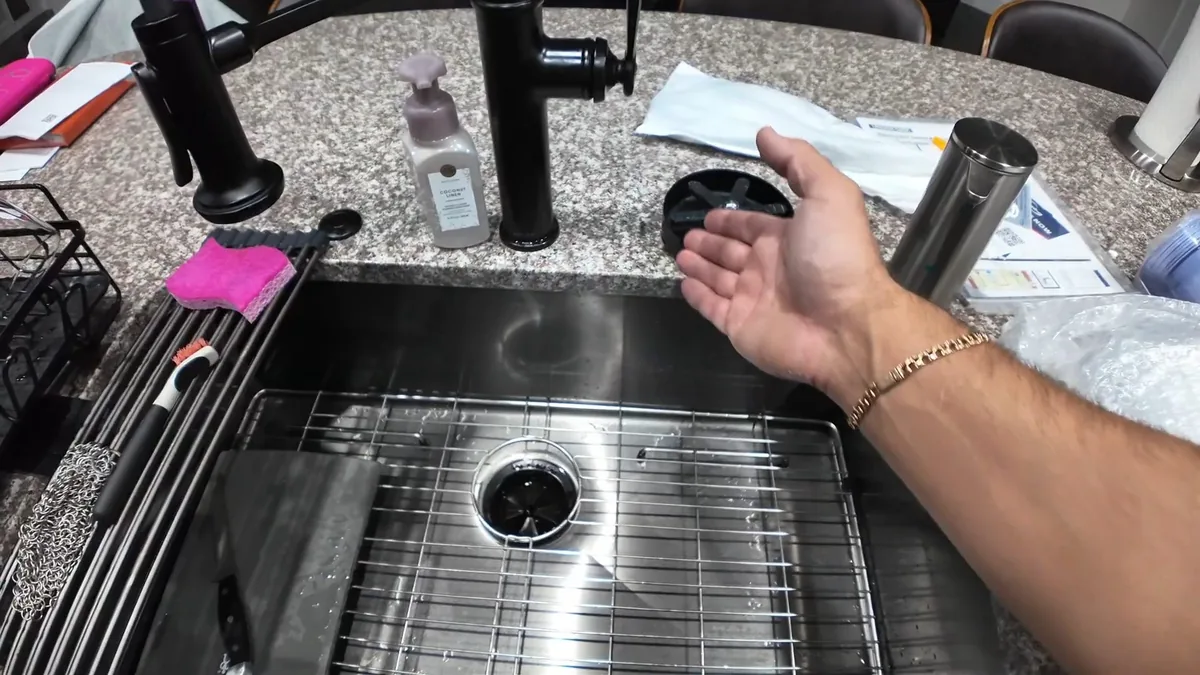
If you want the cleanest possible drinking water in Sierra Vista, reverse osmosis is the system that gets you there. An RO unit under the kitchen sink pushes water through a membrane fine enough to strip out a wide range of dissolved solids, leaving water that is genuinely clean and great-tasting. But RO works best as part of a pair, alongside a water softener, and understanding why explains a lot about treating the area's particular groundwater.
What Reverse Osmosis Actually Does
The heart of an RO system is a semipermeable membrane with openings so small that water molecules pass through while most dissolved minerals, salts, and other contaminants do not. Those rejected substances are rinsed away, and what comes through is water reduced in total dissolved solids. The result is noticeably cleaner than tap water, with the flat or mineral taste that groundwater often carries largely removed.
RO is a point-of-use system, meaning it treats the water at one location, typically the kitchen sink, through a dedicated faucet. It is not a whole-house system. Its job is the water you drink and cook with, where the highest standard matters most, and it can tie into a refrigerator or ice maker line as well.
Why It Pairs With a Softener
Here is where the local water comes in. Sierra Vista's supply is drawn from the Upper San Pedro Aquifer, and its defining trait is hardness, all that dissolved calcium and magnesium picked up from limestone. That hardness is exactly what shortens the life of an RO membrane.
Feed an RO system hard water, and scale builds on the membrane, reducing its efficiency and lifespan. Feed it softened water, and the membrane stays clean and lasts far longer. So the smart sequence is softener first, RO second: the softener removes the hardness that would otherwise foul the membrane, and the RO then polishes the softened water into excellent drinking water. The two protect and complete each other.
What Each Removes
It helps to be clear about the division of labor. A softener removes hardness, the calcium and magnesium that cause scale, and that is its whole job. It does not lower total dissolved solids or improve taste, and it adds a small amount of sodium in the ion-exchange process. RO addresses exactly what the softener does not: it lowers dissolved solids, removes much of what affects taste, and reduces a range of other contaminants. Together they cover both the plumbing and the glass.
A Note on Efficiency
Reverse osmosis has an old reputation for wasting water, sending several gallons to the drain for each gallon produced. In a region that draws everything from one shared aquifer, that history matters. The good news is that modern RO systems are far more efficient than older ones, and pairing RO with a softener improves recovery further by keeping the membrane clean.
We can recommend an efficient system and set it up to deliver excellent drinking water without sending an unreasonable amount down the drain. For homeowners who care about both their water and the watershed, that is the responsible way to run RO in the high desert, and it is entirely achievable with current equipment.
Especially Worth It on a Well
For homes on a private well, often the case out toward the rural communities like Naco and the southern valley, RO can be even more valuable. Well water varies property to property and can carry things a municipal supply does not. Pairing a softener with an RO system gives a well-water home both scale protection and high-quality drinking water, with the specifics guided by a water test. Testing first ensures the system matches what is actually in your water.
Setting It Up Right
An RO install is straightforward in most homes. The unit fits under the kitchen sink with a dedicated faucet at the counter, and it fills a small storage tank so treated water is ready on demand. We handle the connections, the drain line, and the faucet, and we make sure everything is sealed and tested. Maintenance is light: periodic pre- and post-filter changes, with the membrane lasting years, especially on softened water. For homes in neighborhoods like Mountain View, it is an easy upgrade with a daily payoff.
What RO Water Is Good For
Once you have reverse osmosis water on tap, you find uses for it everywhere. Drinking is the obvious one, and the difference in taste over hard tap water is immediate. But RO water also makes better coffee and tea, cooks cleaner-tasting rice and pasta, and leaves no mineral residue when it evaporates. Many homeowners run a line to the refrigerator so the ice maker and water dispenser use it too.
For anyone who has been buying bottled water to avoid the taste of hard tap water, an RO system ends that habit and the cost and waste that come with it. The water is right there at the sink, as much as you want, at a fraction of the long-run cost of bottles. That convenience is a big part of why homeowners who install RO rarely look back.
Sizing and Storage
One practical detail worth understanding is the storage tank. An RO membrane produces water slowly, so the system fills a small pressurized tank that holds treated water ready for use. When you open the dedicated faucet, you draw from that tank, which is why the water comes out at a normal rate even though the membrane works gradually.
For most households, a standard system and tank are plenty. A larger family that draws a lot of RO water at once may benefit from a higher-capacity setup. We size the system to your use, so you are not left waiting for the tank to refill. We also make sure the whole thing fits cleanly under the sink, alongside everything else that lives there.
Caring for the System
An RO system asks little, but it does ask for that little reliably. The pre- and post-filters protect the membrane and polish the final water, and they have a service life, so changing them on schedule keeps the system working at its best. The membrane itself lasts years, especially on softened water, before it needs replacing. None of this is demanding, but a system left untended eventually slows and loses quality. We set up a simple schedule and can handle the changes so you never have to track it yourself.
If clean, great-tasting drinking water from your own tap appeals to you, and you want it done in a way that respects the local water supply, give us a call. We can plan a softener and RO system together for your home, size them correctly, and set them up so you get the best of both, no more bottled water and no wasted effort.
Questions about your own home? We are a local, licensed plumber serving all of Cochise County, available any hour.
Call (520) 340-7175