
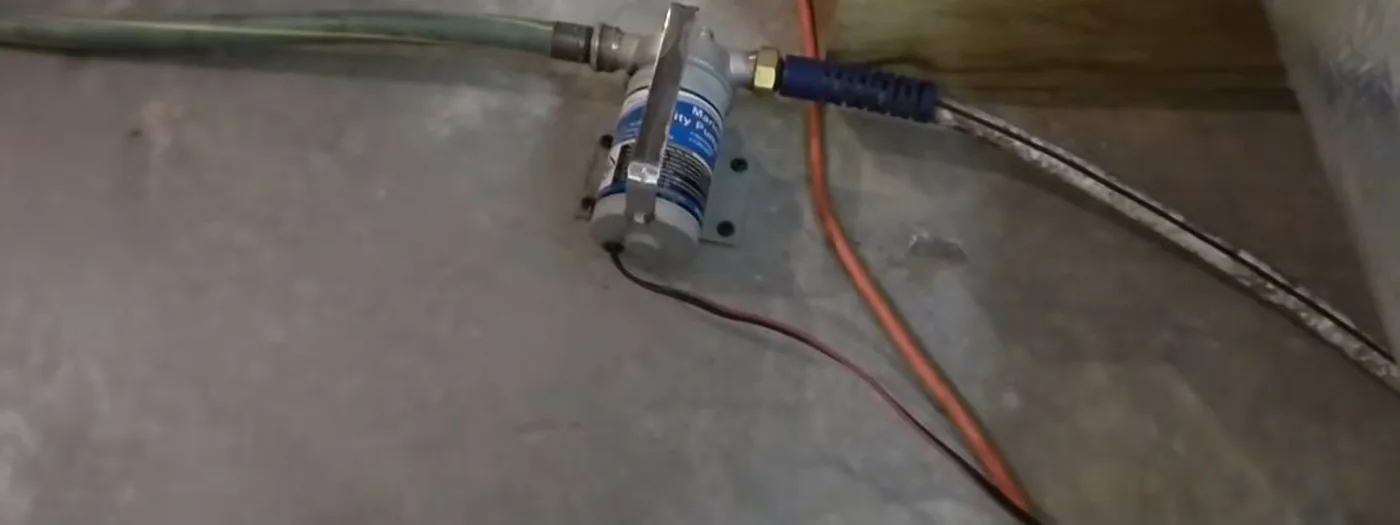
A basin like this is the first line of defense once heavy rain starts.
SeasonalMonsoon-Season Plumbing Prep in Sierra Vista: 7 Things to Do First
The high desert spends most of the year dry, and then the summer monsoon arrives and changes everything. Heavy rain falls fast and hard, often in short, intense bursts that overwhelm ground that has not seen water in months. For your plumbing, that shift brings its own risks: backups, flooding in low spots, and drains that suddenly have far more to handle. A little preparation before the July rains spares you the worst of it. Here are seven things to check first.
1. Clear Your Drains Before the Rain
A drain that is already sluggish in dry weather will struggle when the rain comes. If a sink, tub, or floor drain has been slow, deal with it now rather than during a downpour. A clog that backs up on a clear day is an annoyance. The same clog during a storm, when the system is stressed, is a flood. Our overview of drain cleaning covers when a slow drain needs more than a plunger.
2. Check the Main Line for Repeat Problems
If your main sewer line has backed up before, the monsoon is when it is most likely to do it again. Roots and partial clogs that limp along in dry months can fail under a heavy load. A camera inspection before the season finds the trouble so you are not dealing with it ankle-deep in water.
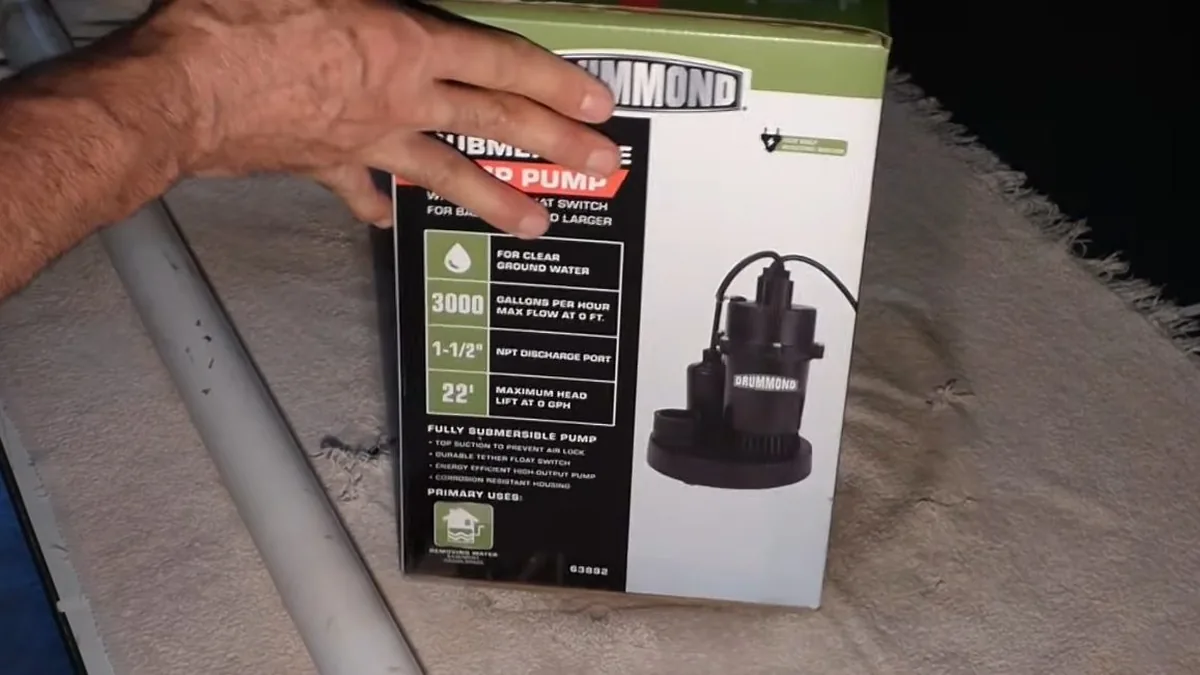
3. Test Your Sump Pump
Not every home has one, but if yours does, it earns its keep during exactly these storms. Pour water into the basin until the float rises and confirm the pump kicks on and clears it. A pump that fails its test in May is a cheap fix. The same pump failing during a 2 a.m. cloudburst is a flooded room. Homes in lower-lying ground, like parts of Palominas near the river, depend on this most.
4. Consider a Battery Backup
Monsoon storms and power outages travel together. A sump pump with no power is just a hole in the floor, and the moment the grid drops mid-storm is the moment flooding risk peaks. If your home relies on its pump, a battery backup is the difference between protected and not.
5. Direct Water Away From the Foundation
Plumbing is not only pipes. Where roof and surface water goes during a storm affects whether it pools against your foundation, finds its way inside, or stresses a slab. Make sure gutters and downspouts carry water away from the house, not toward it. Standing water against the foundation is a problem you can prevent with a few minutes of attention.
6. Watch for Slow Yard Drainage
After the first good storm, notice how your yard sheds water. A spot that stays soggy long after the rain stops, or water that pools near the house, can point to drainage problems worth addressing before the heavier storms arrive. It can also, occasionally, reveal a hidden leak the saturated ground finally made visible.
7. Know Your Shutoff
This one is free and always worth repeating. Know where your main water shutoff is and make sure it works. If a storm-stressed line lets go, shutting the water fast is the difference between a quick cleanup and major damage. It takes two minutes to find and test, and it pays off the one time you need it.
A Season Worth Respecting
The monsoon is one of the best parts of living in southeast Arizona, a dramatic, green, alive stretch after the long dry spring. It is also the season that asks the most of your home's plumbing and drainage. None of the steps above is difficult, and most cost nothing but a little time. Done before the rains, they turn the monsoon from a worry into just another part of the year.
What a Monsoon Backup Actually Looks Like
It helps to know what you are guarding against. A monsoon-related plumbing problem rarely announces itself politely. The first sign is often several drains slowing at once, or a toilet that gurgles when you run water elsewhere, as the system struggles with the sudden load. If a main line is already compromised by roots or a partial clog, the heavy flow can push it over the edge into a full backup.
The water that comes up is not clean, which is why a monsoon backup is more than an inconvenience. Acting on the early signs, the slow drains and the gurgles, before the storms peak is how you avoid the worst version of it. That is the whole logic behind a pre-season check: deal with the weak point on a dry day, on your schedule, rather than during a storm on the system's schedule.
After the Storm Passes
The work is not only before the rain. After a big storm, take a walk around the property. Notice whether water pooled anywhere it should not have, whether any drain is slower than before, and whether the ground near the foundation stayed wet. A storm sometimes reveals a drainage weakness or even a hidden leak that the saturated ground finally exposed. Catching it now, before the next storm, keeps a small issue from compounding through the season.
Why the High Desert Is Different
Monsoon plumbing risk here is not the same as in a wetter climate, and the difference is worth understanding. For most of the year the ground is bone dry and the drainage systems sit idle. Then, in a matter of weeks, the desert takes on more water than it has seen in months, often in violent bursts rather than steady rain. Systems that coasted through the dry season get tested all at once.
That sudden swing is exactly why a pre-season check matters more here than the mild climate would suggest. A drain or a sump pump that seemed fine in May has not actually been challenged in months. The first big storm is the real test, and it is far better to discover a weak point on your terms than during the downpour. A dry-season problem is a phone call. The same problem mid-storm is a flooded room.
A Quick Pre-Season Walkthrough
Pull it together into one short walk before July. Run the drains and note any that are slow. Test the sump pump if you have one. Check that gutters and downspouts carry water away from the house. Confirm the main shutoff works. Twenty minutes of attention, repeated each year, is most of what it takes to head into the season with confidence.
If a slow drain, an old sump pump, or a main line with a history has you uneasy heading into the season, get ahead of it now. We can clear drains, inspect lines, and service or install a sump pump before the storms test them. Call us, and we will help you head into monsoon season ready. Homes across Sierra Vista Southeast and the wider area count on us when the rain comes.
Questions about your own home? We are a local, licensed plumber serving all of Cochise County, available any hour.
Call (520) 340-7175