
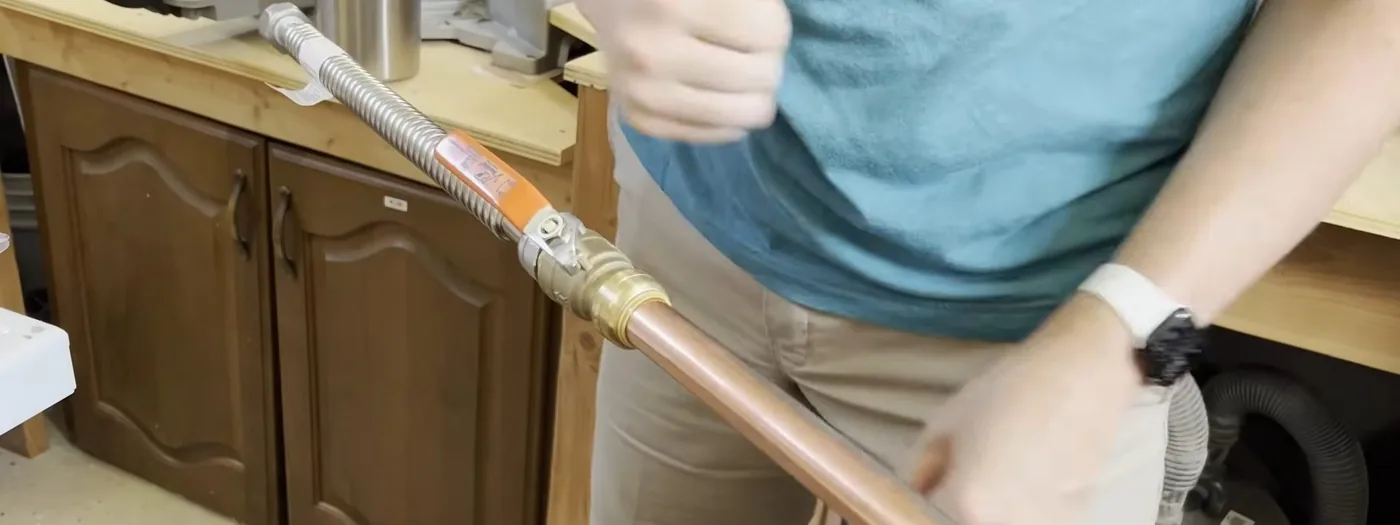
Corrosion like this builds up inside the pipe long before it is visible outside.
RepipingGalvanized Pipes in Sierra Vista's 1960s Homes: When to Repipe
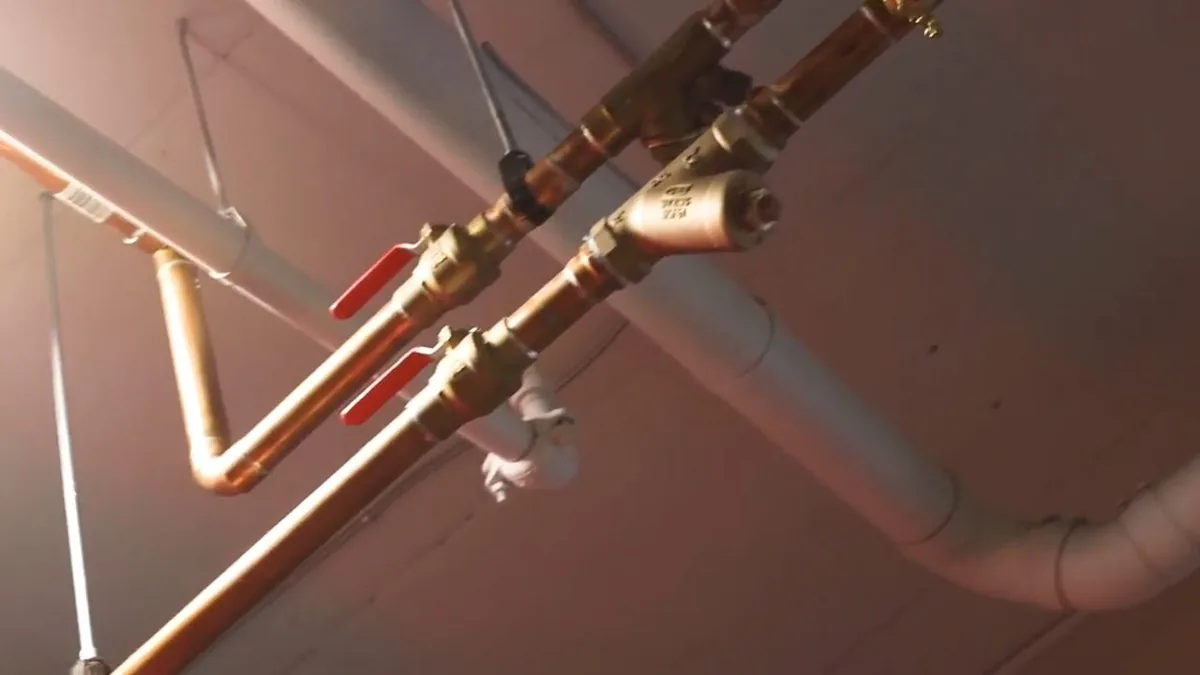
If your Sierra Vista home was built in the 1960s or 1970s and has never been repiped, there is a good chance the water lines inside the walls are galvanized steel. For decades they did their job. But galvanized pipe has a finite life, and a lot of it across the city is now reaching the end of it. Knowing the warning signs, and the difference between patching and replacing, can save you a frustrating cycle of repeated repairs.
Why So Many Older Homes Have It
Sierra Vista grew up with Fort Huachuca. When the post expanded after World War II and through the Cold War, the city built quickly to house the families connected to it, and galvanized steel was the standard supply-line material of the era. Homes from that boom, scattered through neighborhoods like Carmichael and the older streets near Fry Boulevard, were plumbed with it. Much of that pipe is now well past the fifty-year mark.
How Galvanized Pipe Fails
Galvanized steel is coated with a layer of zinc to resist corrosion. That coating buys decades, but it does not last forever. Once it wears through, the steel underneath begins to rust from the inside out. Two things happen as it does.
First, the rust and mineral scale build up on the inside wall of the pipe, narrowing the channel water flows through. A pipe that started with a clear three-quarter-inch bore can close down to a fraction of that. Second, the corroding steel weakens, and eventually a thin spot fails as a pinhole leak. The hard water common across the area speeds both processes along, since the scale it deposits compounds the internal buildup.
The Warning Signs
A single leak is not necessarily a reason to repipe. A pattern is. Here is what to watch for.
Falling Water Pressure
If the pressure throughout the house has slowly dropped over the years, narrowing galvanized pipe is a prime suspect. The effect is gradual, so people often adjust to it without noticing until a guest comments on a weak shower. Run two fixtures at once and see whether the flow collapses.
Rusty or Discolored Water
Brownish or yellow-tinted water, especially from the hot side first thing in the morning after the water has sat in the pipes overnight, is a strong sign of corrosion inside the lines. Clothes that come out of the wash looking dingy can be related.
Leaks in More Than One Place
This is the big one. When pinhole leaks start appearing in different spots rather than just one, the message is that the whole system is reaching the end, not that one unlucky section failed. Each patch buys a little time, but the next leak is usually already forming somewhere else.
Repair or Repipe?
So when does it make sense to stop patching and replace the system? The math is usually about how many problems a home has had and how much pipe is involved.
A single, isolated leak on a system that is otherwise holding up can be repaired. But once a home is fighting low pressure, rusty water, and a second or third leak, repairs become money spent to delay the inevitable. At that point a whole-home repipe replaces the failing galvanized lines with modern materials and ends the cycle for decades. We give homeowners an honest read on which side of that line their house is on, because nobody benefits from selling a repipe to a home that does not need one yet.
PEX or Copper?
When you do repipe, you have two strong options, both far better than galvanized. PEX is flexible tubing that resists corrosion and, importantly here, does not scale internally the way metal does, so hard water cannot narrow it over time. It installs faster with fewer joints buried in walls, which means less drywall to open. For most Sierra Vista homes it is the practical, cost-effective choice. Copper is the long-proven standard with strong resale recognition, at a higher cost because every joint is soldered. We install either and explain the trade-offs first.
What a Repipe Actually Involves
People imagine a repipe as a house torn to studs, and it is genuinely disruptive, but less than most expect. A typical home takes one to several days depending on size and layout. We map the most direct path to each fixture, protect floors and furniture, make the smallest wall openings the job allows, run the new lines, and test the whole system before closing up. Throughout, we keep at least one bathroom working each evening so the home stays livable. We patch the access points. You arrange any final paint or texture matching.
Why It Is Worth It
A repipe is not a small project, but for an older Cochise County home it is rarely wasted money. It restores full water pressure, clears up rust-tinted water, and ends the leak-and-patch cycle that drains both patience and cash. It also removes something home inspectors flag and buyers use to negotiate, so the value carries through to resale. With the work documented, that conversation simply goes away when you sell. For a home you plan to keep, the reward is quieter but just as real: water that flows the way it should, and one less old system waiting to fail at an inconvenient moment.
Not Sure What You Have?
You do not need to guess about your pipe material. There is a quick test you can do yourself. Find an exposed section of supply pipe, often in the garage or under a sink. Scratch it gently with a flathead screwdriver, then hold a magnet to it. Galvanized steel shows a dull silver-gray under the scratch, and a magnet sticks to it. Copper scratches to a bright penny color and is not magnetic. PEX is plastic tubing, usually white, red, or blue.
If the test points to galvanized, that does not automatically mean you need to act today. It means the clock is running, and it is worth knowing where you stand. We can inspect the lines, check your pressure, and tell you honestly whether you have years left or whether the warning signs say it is time. There is no value in alarming a homeowner whose pipe is holding up fine, and no sense in patching a system that is clearly finished. The right answer is the one that fits your actual pipe.
Not sure whether your older home has galvanized pipe, or if you have reached the point where replacing beats repairing? Call us. We will inspect the lines, tell you their real condition, and lay out your options plainly. For a related issue these same older homes face, our guide on slab leaks in caliche soil is worth a read.
Questions about your own home? We are a local, licensed plumber serving all of Cochise County, available any hour.
Call (520) 340-7175