
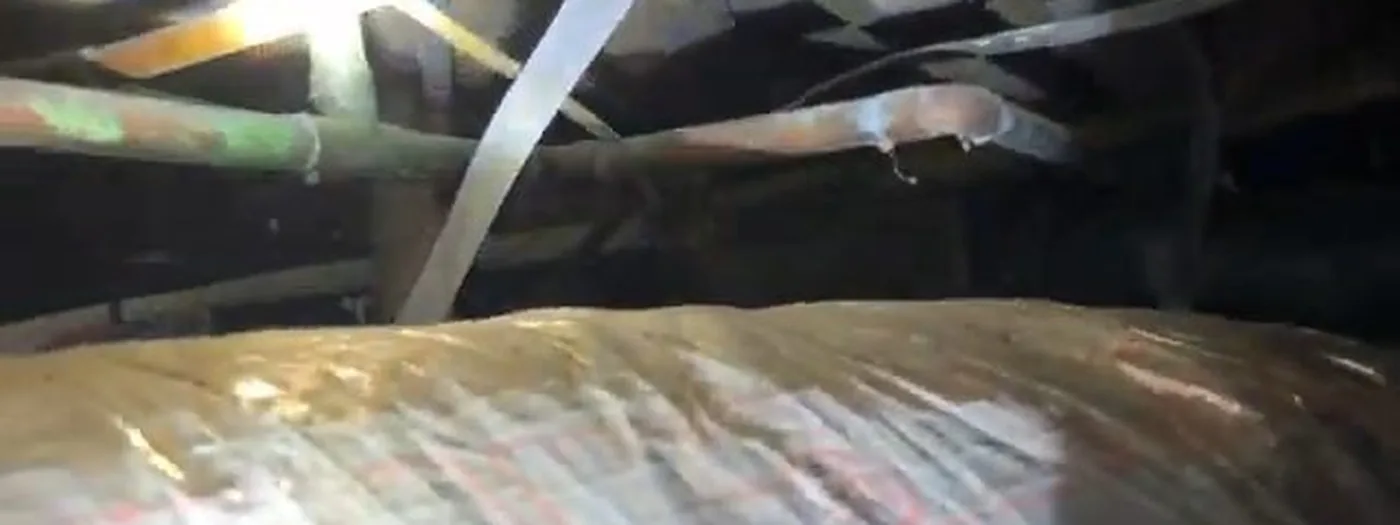
Ice does not just block a pipe, it can split the wall from the inside.
SeasonalDoes Sierra Vista Get Cold Enough to Freeze Pipes?
Newcomers to Sierra Vista often assume that southern Arizona means warm, and that frozen pipes are a problem for other places. Then a January cold snap splits a hose bib, and the lesson lands the hard way. The truth is that yes, pipes do freeze here, and the homeowners caught off guard are usually the ones who assumed the climate was too mild to bother. Understanding why, and which pipes are at risk, keeps you from being one of them.
Why a Warm City Still Freezes
The key number is elevation. Sierra Vista sits above 4,600 feet, high enough that winter nights get genuinely cold even when the days are pleasant. Several nights each winter, temperatures drop below freezing, and a few of those are hard freezes that linger long enough to freeze standing water in an exposed pipe. The higher ground toward the Huachuca Mountains gets colder still, with real snow up in the canyons, and a cold front that reaches the peaks often dips the valley below freezing too.
Mild winters are exactly what makes this dangerous. In a cold climate, everyone insulates and drips their faucets as a matter of course. Here, the mild reputation lulls people into leaving hoses connected and bibs exposed, so when the hard freeze comes, nothing is protected.
Which Pipes Are at Risk
The cold finds the unprotected lines first. A handful of spots account for most of the freeze damage we see.
Outdoor Hose Bibs
The outdoor spigot is the most common casualty, especially with a hose left attached that traps water in the bib. When that water freezes and expands, the bib splits, often without anyone noticing until spring.
Garage and Unheated-Space Lines
Water lines running through an unheated garage, an exterior wall, or a crawlspace have no warmth around them on a cold night. These are prime candidates for freezing, and a burst here can be worse than an outdoor bib because the water ends up inside.
Vacant and Seasonal Homes
An empty house with the heat off is the most vulnerable of all. Snowbirds and travelers who leave for part of the winter can return to a home where a pipe froze, burst, and ran for days. We see this every year, and it is almost entirely preventable.
The Real Danger Is the Thaw
Here is the part people miss. A frozen pipe is not the disaster on its own. The damage usually comes when it thaws. Water expands as it freezes, which can crack the pipe, but the crack only releases water once everything warms back up and the pressure returns. That is why a split hose bib often hides until the first warm day, when someone turns it on and water pours into the wall behind it.
How to Prevent It
The good news is that freeze protection here is simple, because the cold is occasional rather than constant. Before a cold snap, take a few steps. Disconnect garden hoses and cover the hose bibs. Insulate exposed and garage lines. On the coldest nights, let a faucet drip, since moving water resists freezing and relieving the pressure is what actually prevents the burst.
For a lasting fix, a frost-proof hose bib moves the shutoff deep inside the heated wall, so the exposed portion drains and there is nothing left to freeze. We install these along with line insulation, and for a home in a more exposed spot like Westview, that small upgrade turns the most freeze-prone fixture into one you can stop worrying about. You can read more on our frozen pipe and hose bib pages.
If You Leave for the Winter
Heading out of town for a stretch of the cold months deserves extra care. The safest move is to shut off the water at the main and drain the lines. At minimum, keep the heat set high enough to protect interior plumbing, and arrange for someone to check the home during cold snaps. An empty house cannot tell you it has a problem until the damage is done.
What to Do If a Pipe Already Froze
Suppose you turn on a faucet on a cold morning and only a trickle comes out. A line is likely frozen somewhere upstream. Do not ignore it, and do not assume it will simply thaw without consequence. The pipe is under pressure, and the risk is that it has already cracked and will release water once it warms.
The safest response is to shut off the water and call a plumber before the thaw. A frozen line can be thawed safely and checked for damage before pressure is restored. Attacking it with an open flame is dangerous and a common way to turn a frozen pipe into a burst one or worse. If a pipe has already split, shutting the water off fast is what limits the damage, which is one more reason to know where your main valve is before winter ever arrives.
Why Newcomers Get Caught
The pattern repeats every winter. Someone moves to Sierra Vista from a warmer place, or simply trusts the desert's mild reputation, and leaves the hoses on and the bibs bare. The first hard freeze does its quiet work, and the bill comes due in spring. There is no shame in it, the climate genuinely is mild most of the time, but a few cold nights a year are all it takes. A little fall preparation is the cheap insurance that keeps you off that list.
A Frost-Proof Bib Is the Best Upgrade
If you do one thing about freeze risk, make it the hose bibs. The outdoor spigot is the most common casualty, and a frost-proof bib essentially solves it for good. Its long stem places the actual shutoff deep inside the heated wall, so when you close it, the exposed portion drains and there is nothing left to freeze.
Installed correctly, with a slight downward pitch so it drains fully, a frost-proof bib turns the most freeze-prone fixture on the house into one you can forget about. For a modest cost it removes the single most common source of winter burst pipes in the area. Pair it with insulation on any exposed garage or wall lines, and a hard freeze stops being something you have to scramble for. It becomes one more bit of fall maintenance you handle once and stop worrying about all winter.
If a hard freeze is in the forecast and you are not sure your home is ready, or you want frost-proof bibs and insulation handled before winter, give us a call. A little preparation in the fall costs far less than a burst pipe in January, and we are glad to set your home up so the cold stops being a gamble.
Questions about your own home? We are a local, licensed plumber serving all of Cochise County, available any hour.
Call (520) 340-7175