
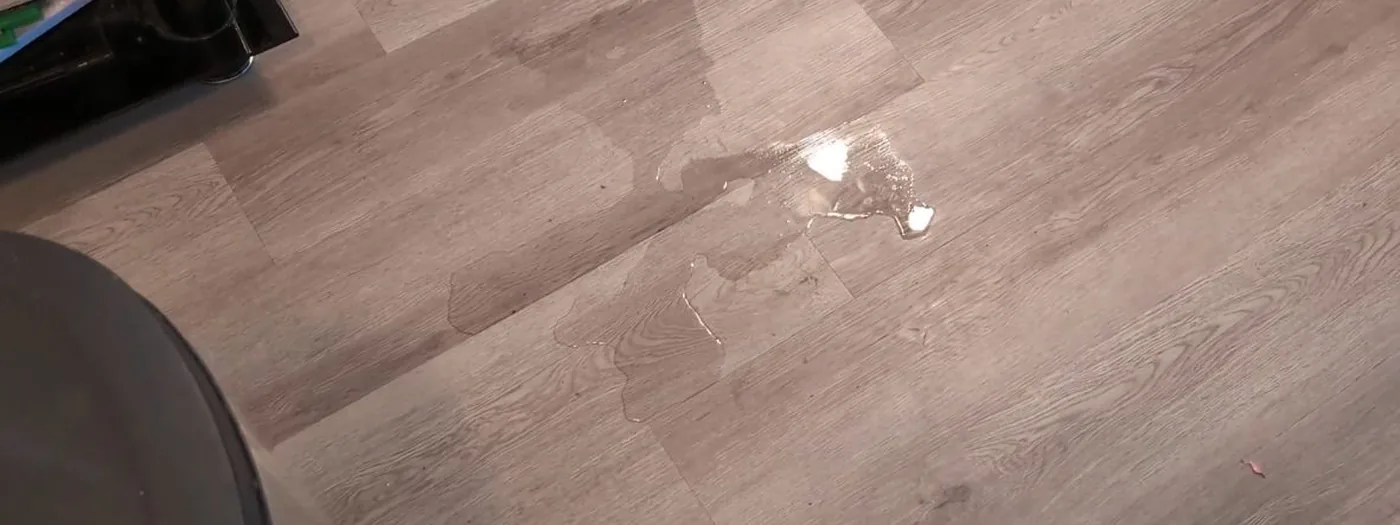
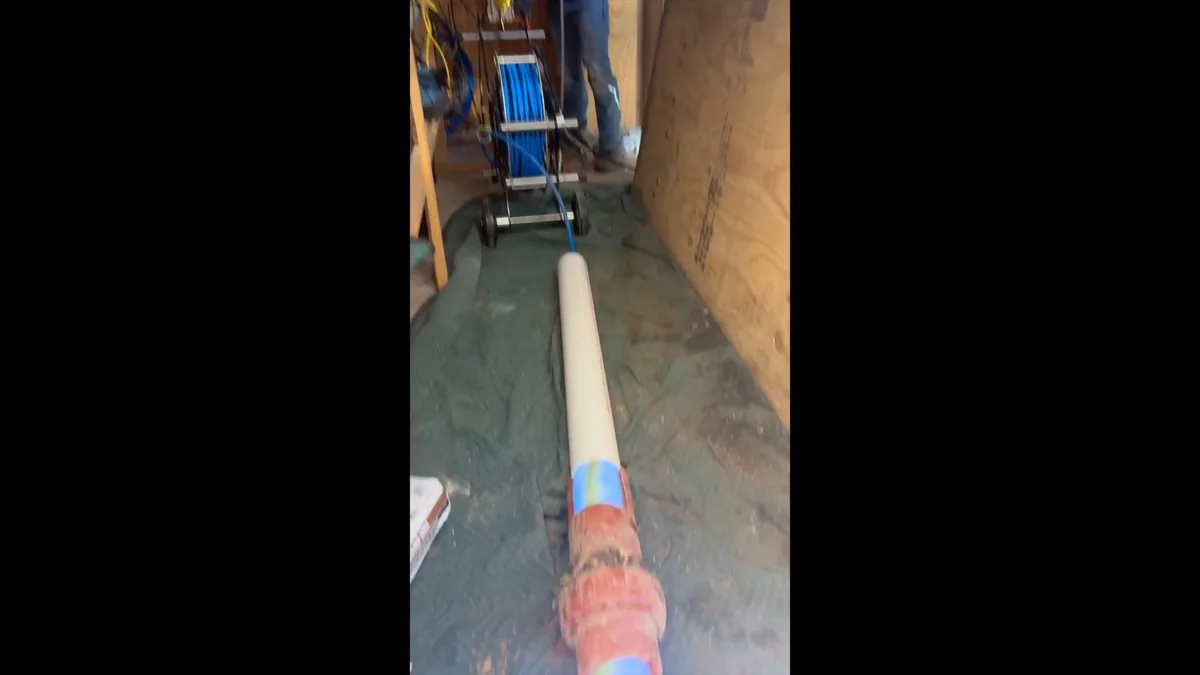
Reaching old plumbing often means working in tight, original crawlspace access.
Older HomesBisbee Historic Home Plumbing: What Mining-Era Pipes Look Like Today
Bisbee is one of the most distinctive towns in Arizona, a former copper-mining city built into the steep canyon walls of the Mule Mountains, with Victorian and early-1900s homes stacked up the hillsides. Those homes are full of character. They are also, behind the walls, full of plumbing that has been patched, adapted, and rebuilt across more than a century. If you own or are buying a historic Bisbee home, it helps to know what you are likely dealing with.
A Century of Layered Plumbing
The oldest Bisbee homes predate most of modern plumbing practice. Over the decades, owners and tradespeople updated them piece by piece, as needs and budgets allowed. The result is rarely a single coherent system. Instead, you find layers: original runs, mid-century updates, and recent repairs, all spliced together. One section might be galvanized steel, another older copper, and a newer stretch modern PEX where a past leak forced a fix.
This layering is the defining feature of historic-home plumbing, and it is why a Bisbee house resists the assumptions you could make about a typical tract home. You cannot know what is behind the wall until you look.
What You Are Likely to Find
A few materials and conditions turn up again and again in these homes.
Galvanized Steel
Much of the original supply piping in early-1900s homes was galvanized steel, and where it survives, it is long past its service life. Corroded from the inside, it brings the familiar symptoms: low water pressure, rusty water, and pinhole leaks. In a home this old, surviving galvanized pipe is usually a candidate for replacement rather than another patch.
Old Drain Configurations
Drain and waste lines in historic homes can use outdated materials and layouts that no modern plumber would design. Cast iron, older joint methods, and routing that follows the quirks of a hillside structure are common. These can work for decades and then need real attention, and diagnosing them takes patience.
Adaptations to Steep Ground
Bisbee homes are built into canyon walls, and that terrain shapes the plumbing. Drainage has to work with significant grade changes, and access to pipes can mean navigating a structure that steps up a hillside. It is part of what makes the work interesting, and part of why local familiarity matters.
The Right Way to Approach It
The mistake with a historic home is to tear into a wall assuming you know what is there. The right approach is the opposite: diagnose first, then act. We take time to understand what a Bisbee home actually has before recommending a repair, because in a house this old, surprises are the rule. A careful leak investigation or a camera look at a drain line tells us what we are dealing with, so a simple repair does not turn into a demolition project.
Patience also protects the home itself. These houses are worth preserving, and good plumbing work respects that, making the necessary fix with the least disruption to the historic fabric around it.
When to Update, and How Much
Not every old pipe needs replacing today. Some original material is holding up fine and can stay. The judgment is about which parts are genuinely failing and which are simply old. A home fighting repeated leaks, low pressure, and rusty water from surviving galvanized lines is a strong candidate for a repipe of the affected runs. One with a single isolated issue may need only a targeted fix.
The goal is to modernize what must be modernized while leaving sound original work alone, balancing reliability against cost and preservation. That balance is different for every historic home, which is exactly why the honest, look-first approach matters more here than almost anywhere.
Owning a Piece of History
A historic Bisbee home is a genuine pleasure to own, and its plumbing does not have to be a source of dread. It simply asks for a plumber who respects its age, diagnoses before cutting, and tells you straight which problems are urgent and which can wait. Handled that way, even century-old plumbing can be brought to reliable modern service one sensible step at a time.
Hard Water in Historic Homes Too
The age of a Bisbee home does not exempt it from the region's hard water. Much of the town is served by the same hard groundwater found across the area, so scale builds in these old homes just as it does in newer ones, and arguably matters more. Decades of mineral buildup inside already-narrow original pipe compounds the flow problems that age alone creates.
For an owner updating a historic home's plumbing, this is worth factoring in. When a section of failing pipe is replaced, it makes sense to choose materials that resist scale. Considering a water softener to protect the whole system keeps the new work from facing the same slow decline the old pipe did. It is a chance to solve two problems, age and hardness, in one thoughtful step.
Living With an Old House
Owning a historic home is a relationship, not a transaction. The plumbing, like everything else in these houses, rewards attention paid steadily over time rather than all at once. A sensible approach is to address the genuinely urgent problems first, the active leaks and the failing runs, and then work through the rest on a manageable schedule as budget allows.
Handled that way, even a century-old home settles into reliable service without a single overwhelming project. The character that drew you to a Bisbee house in the first place stays intact, while the systems behind the walls quietly catch up to the present. That balance is the whole art of caring for an old home.
What to Ask Before You Buy
If you are considering a historic Bisbee home, a few questions sharpen the picture before you commit. Ask what plumbing work has been done and when, since a home with recent updates to its supply lines is in a very different position than one running entirely on original pipe. Ask whether the sewer connection or septic system has been inspected. And budget for the unknown, because in a century-old home, some surprises behind the walls are nearly guaranteed.
A pre-purchase plumbing look is especially worthwhile here. The sewer line and the condition of hidden supply runs are among the most expensive things to address and the least visible during a normal showing. Knowing what you are buying, rather than hoping, is the difference between a charming old home and an expensive education.
If you own a historic home in Bisbee and want a clear, honest assessment of what its plumbing needs, call us. We are comfortable with old houses and steep ground, and we would rather understand your home before recommending anything than sell you work you may not need.
Questions about your own home? We are a local, licensed plumber serving all of Cochise County, available any hour.
Call (520) 340-7175